When Should You Consider Tree Removal?
Tree removal may be necessary when a tree becomes severely damaged, structurally unstable, or poses an unacceptable risk to people and property. However, some tree problems can be managed through professional trimming, root care, or other maintenance.
Trees provide valuable shade, improve curb appeal, and contribute to Florida's natural beauty. That's why removing a tree shouldn't always be the first solution.
Before making a decision, consider the tree's overall condition, location, and potential impact on surrounding structures.
Here are four situations where professional tree removal may be appropriate.
1. When a Tree Is Diseased or Decaying
A tree with extensive decay or disease may eventually lose the structural strength needed to remain standing.
Common warning signs include large areas of dead wood, significant trunk decay, fungal growth, and branches that continue dying throughout the canopy.
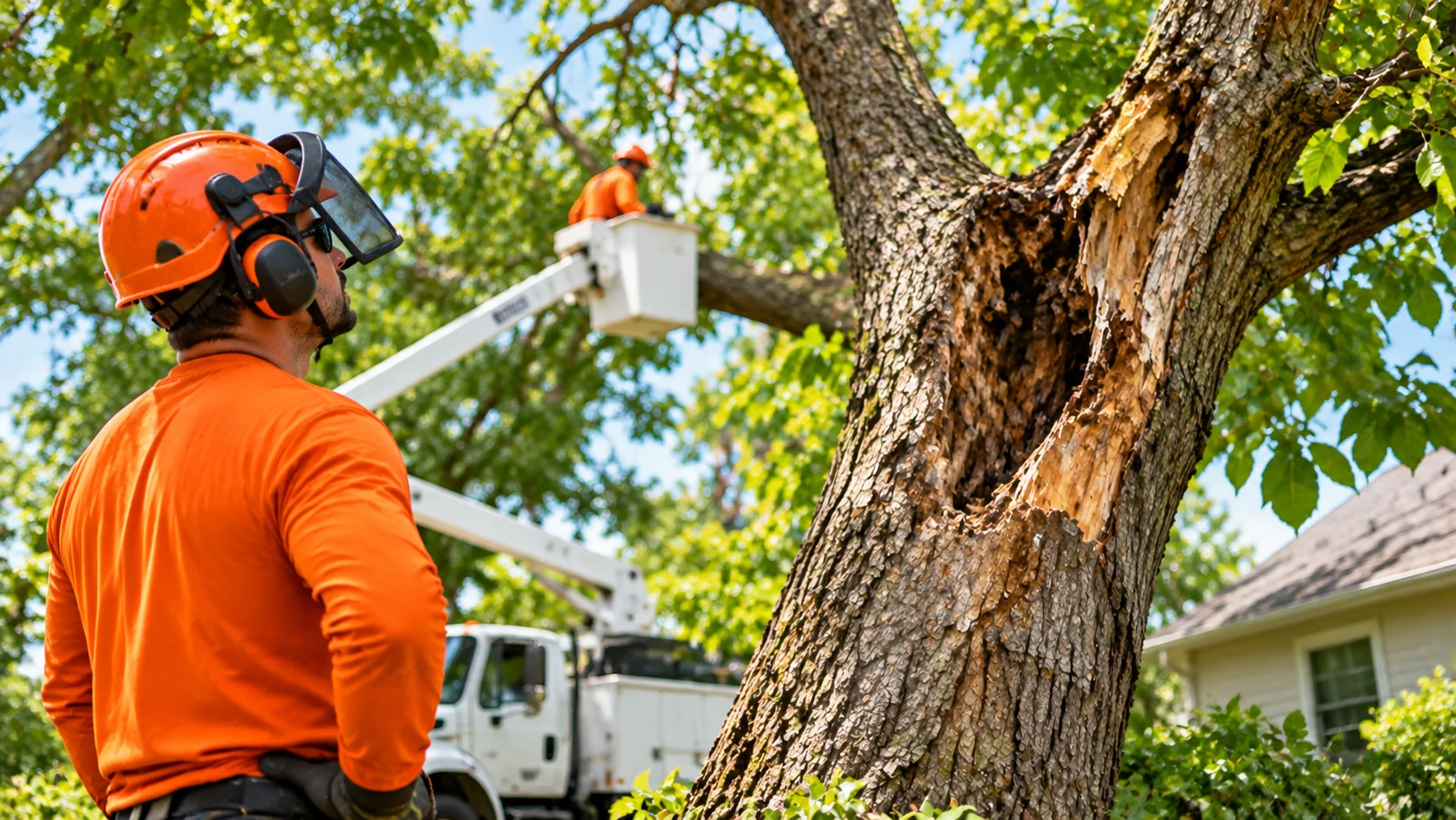
For example, a mature tree with a large decaying section near its base may require a closer evaluation, especially when located beside a house or driveway.
However, not every diseased tree needs removal. Some problems can be managed when identified early.
What should you do? Have the tree evaluated before deciding whether treatment, monitoring, or removal is appropriate.
2. When a Tree Begins Leaning Unexpectedly
A leaning tree isn't automatically dangerous. Some trees naturally grow at an angle and remain stable for many years.
The bigger concern is a sudden change in position, especially when accompanied by exposed roots, lifting soil, or cracks near the base.
For example, if a previously upright tree begins leaning after a strong storm, its root system may have been damaged.
Don't attempt to straighten or cut down a large leaning tree yourself.
What should you do? Keep people away from the affected area and arrange a professional assessment, particularly if the tree threatens nearby structures.
3. When a Tree Has Significant Storm Damage
Pinellas County experiences heavy rainfall, thunderstorms, and tropical weather that can damage trees throughout the year.
Broken limbs, split trunks, and damaged root systems can affect a tree's stability. In some situations, professional trimming may remove damaged branches while preserving the rest of the tree.
However, severe structural damage may make removal necessary.
For example, a tree that loses a major portion of its trunk during a storm may not have enough structural strength to remain safely standing.
What should you do? Avoid walking beneath hanging branches and contact a tree care professional to evaluate the damage.
4. When Tree Roots Create Serious Property Problems
Tree roots naturally spread through the surrounding soil as trees grow. However, roots can sometimes interfere with sidewalks, driveways, landscaping, and underground infrastructure.
Raised pavement or damaged outdoor surfaces may indicate a root-related problem.
That doesn't mean the entire tree needs to be removed.
Depending on the tree's condition, location, and root structure, professional root pruning or changes to the surrounding landscape may be possible.
Improperly cutting major roots can weaken the tree and increase the risk of instability.
What should you do? Discuss your options with a professional before cutting roots or scheduling complete tree removal.
Can Tree Trimming Save a Damaged Tree?
Sometimes, yes. Professional tree trimming may address dead branches, overgrown limbs, and certain structural concerns without removing the entire tree.
However, trimming cannot correct severe trunk decay, major root failure, or every type of storm damage.
The best approach depends on the tree's condition and the risks associated with keeping it.
Royal Tree Service provides tree trimming and removal services throughout Pinellas County, FL, helping property owners explore appropriate solutions for their trees.
What Should You Do Before Scheduling Tree Removal?
Start by identifying the problem and keeping people away from any immediate hazards.
Next, contact a tree care professional to discuss the tree's condition and available options.
Before approving the work, ask about equipment access, branch hauling, debris removal, and stump grinding. These services may have different requirements or be quoted separately.
You should also check whether your municipality requires a permit or additional approval.
A written estimate helps clarify the proposed work and what to expect before scheduling.